

Harnessing Terpenes: A Natural Support for ADHD
Living with Attention-Deficit/Hyperactivity Disorder (ADHD) can pose significant challenges. Symptoms include difficulties in controlling impulses, feelings of hyperactivity or nervousness, and an inability to sustain attention for extended periods. It’s important to note that not all individuals with ADHD experience these symptoms uniformly. The manifestation of symptoms can vary across a spectrum, resulting in unique experiences for each person.
In recent times, terpenes, which are aromatic compounds present in various plants, have garnered attention due to their potential in alleviating ADHD symptoms. Within this blog post, we will delve into several key terpenes and examine their potential impact on ADHD. This exploration will be substantiated by scientific research.

Terpenes
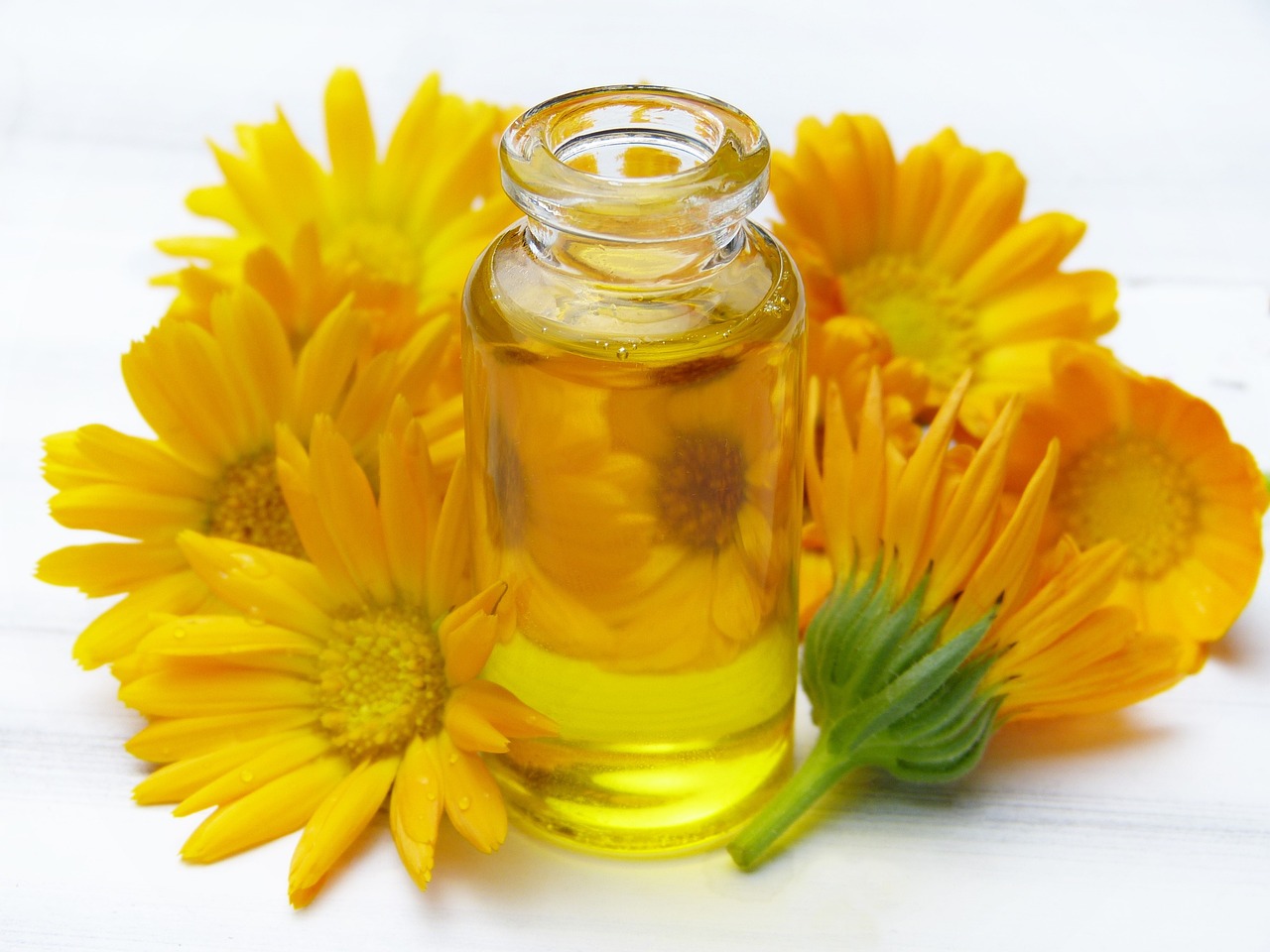
Although terpenes cannot serve as a definitive cure for ADHD, they do possess the potential to provide natural support in managing and alleviating certain symptoms, contingent upon their severity. It is of utmost importance to engage in a dialogue with a healthcare professional prior to integrating terpenes into your ADHD management regimen, particularly if you are concurrently using medications or undergoing alternative treatments. By capitalizing on the potential of these aromatic compounds, individuals grappling with ADHD can embark on a journey to discover alternative avenues for achieving equilibrium and bolstering their holistic well-being.
Please note that the scientific understanding of terpenes and their effects on ADHD is still evolving, and individual responses may vary. It’s important to conduct further research and seek professional guidance before making any significant changes to your treatment plan.
Disclaimer
This article is for informational purposes only and should not be considered medical advice. Always consult with a qualified healthcare professional before making any decisions regarding your health or treatment options.
Thanks for Reading!
-Blurry 🙂
References
- Limonene as a potential anti-inflammatory and antioxidant agent ↩
- Limonene’s effects on anxiety and attention in mice ↩
- Pinene’s effects on attention and memory ↩
- Linalool as an anxiolytic and sedative agent ↩
- Effects of linalool inhalation on anxiety and sleep quality ↩
- Myrcene’s sedative and muscle-relaxing properties ↩
- Potential analgesic effects of myrcene ↩
- Terpinolene as an anxiolytic agent ↩
