

The Crucial Role of Sustainable Products in the Cannabis Industry
The cannabis industry has experienced remarkable growth in recent years, with the legalization and decriminalization of marijuana in various regions. As this industry continues to flourish, it becomes imperative to address the environmental impact associated with its expansion. One vital aspect to consider is the use of biodegradable products. In this blog post, we will delve into the significance of embracing biodegradability in the cannabis industry and how it can contribute to a more sustainable future.

Why biodegradable is important
Reducing Plastic Waste
Plastic waste is a concern that spans the globe. Numerous large businesses contribute to this issue, and in truth, most businesses generate some form of waste to varying degrees. One significant contributing factor to this problem is the material we choose for packaging products and items.
Research has shown that plastic materials can take anywhere from 20 to 500 years to fully break down. Greenpeace highlights that nearly half of our waste undergoes incineration, releasing harmful toxins into the air. The act of burning plastic results in the release of harmful substances such as nitrogen oxides, sulfur dioxide, volatile organic chemicals (VOCs), and polycyclic organic matter (POMs). The World Health Organization’s data underscores the gravity of the situation, linking air pollution to 6.5 million premature deaths—a matter of profound concern.
Sadly, while not all, a substantial number of significant business owners do not prioritize addressing this issue. While ensuring profitability is important for business sustenance, it is equally vital to hold in high regard this remarkable planet that furnishes us with the essentials for survival.
For this reason, it is of utmost importance that the cannabis industry and all other businesses consider the adoption of naturally degradable alternatives, such as packaging derived from hemp or other plant-based sources. Taking such steps demonstrates our genuine concern for the environment and our dedication to nurturing it for the well-being of current and future generations.
Soulshine serves as a wonderful testament to both ingenuity and accountability – a prime illustration of the harmonious blend of creativity and responsibility. A mere glance at their packaging lays bare their dedication to these principles.
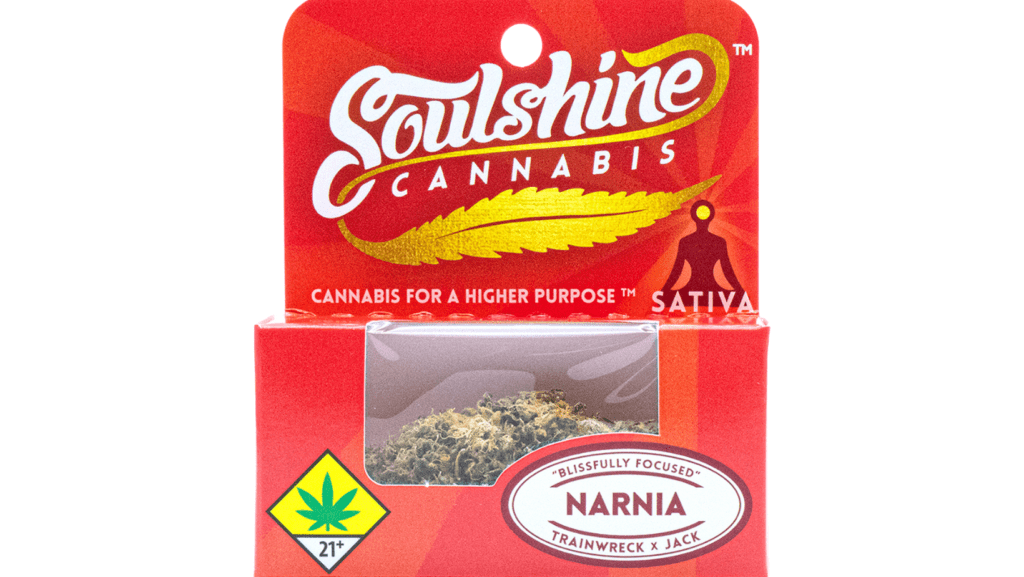
The intricate details of Soulshine’s packaging reveal a profound concern for their consumers. They employ vegetable oil ink, ensuring a gentle ecological footprint. The choice of 100% recyclable and compostable cardboard for enveloping their flower underscores their commitment to sustainability. Notably, the presence of a fully compostable viewing window stands as a testament to their unwavering pursuit of environmentally-friendly solutions. Every stroke of text is imprinted using vegetable-based inks, further cementing their eco-conscious approach. It’s worth highlighting that even the materials they employ are thoughtfully sourced from sustainably harvested trees, underscoring their commitment to responsible resourcing.
Protecting Soil and Water Quality
When considering the environmental impact of the cannabis industry, a comprehensive perspective is necessary, encompassing all aspects of its operations, including production. Central to this is the cultivation of the cannabis plant itself, a process that often involves the utilization of fertilizers and pesticides laden with chemicals. Regrettably, these chemicals find their way into the soil, subsequently leaching into vital water sources.
The intrusion of pesticides and chemically treated fertilizers into natural soil is a cause for genuine concern. The ramifications are profound, as these substances disrupt the natural balance of the soil, adversely affecting essential microorganisms. This disruption results in the demise of beneficial fungi and bacteria that play a pivotal role in nurturing resources like fruits, vegetables, and vital plant species. The long-term consequences are worrisome, jeopardizing our future access to these crucial natural resources.
With each rainfall, these chemicals are transported to our water sources, triggering contamination that significantly compromises water quality and its suitability for consumption. The consumption of water tainted with pesticides over an extended period has the potential to trigger a range of health issues, spanning from hormonal imbalances to weakened immune responses.
However, there is a positive pathway forward. Cannabis enterprises have the capacity to opt for organic and natural fertilizers and pest control products. For instance, Neem oil serves as an illustrative example of a natural pesticide. As highlighted by reputable sources like Better Homes and Gardens, Neem tree oil operates by suffocating pests, necessitating their presence during application to be effective.
When it comes to fertilizers, the options are diverse and tailored to specific geographic regions and their prevailing climatic conditions. Choices encompass a wide array of materials, ranging from coffee grounds and animal-derived products to worms, bird feces, sea moss, and algae. These can be prepared at home or procured as pre-packaged solutions. One notable example is the Dr. Earth Organic Bud & Bloom Fertilizer, formulated with ingredients such as fish bone meal, feather meal, alfalfa meal, soft rock phosphate, and mined potassium sulfate. Notably, this product stands out as it not only serves as a flowering supplement but also incorporates TruBiotic beneficial soil microbes alongside mycorrhizae, contributing to soil health in a holistic manner.
Preserving Biodiversity
Consideration must also be given to the spatial requirements for establishing and operating factories, stores, farms, and various other facilities within the cannabis industry. It’s imperative to thoughtfully contemplate the allocation of space for these purposes. The process of clearing or cultivating land to make way for new constructions can yield detrimental consequences, leading to the disruption and potential loss of entire ecosystems – a disconcerting prospect with far-reaching implications, including the potential extinction of certain species.
However, there exist proactive measures that can be taken to address and mitigate these potential issues. The adoption of environmentally responsible waste management practices and the integration of biodegradable products stand out as promising strategies that can significantly contribute to the preservation, vitality, and resilience of local ecosystems. Through such concerted efforts, it becomes possible to strike a balance between industrial development and the safeguarding of the natural world.

The cannabis industry has the potential to lead the way in embracing sustainable practices and setting new standards for environmentally responsible operations. By adopting biodegradable products, such as packaging, fertilizers, and mulches, the industry can significantly reduce plastic waste, protect soil and water quality, preserve biodiversity, and enhance consumer perception. Embracing biodegradability not only benefits the environment but also contributes to the long-term viability and success of cannabis businesses.
Disclaimer
This article is for informational purposes only and should not be considered medical advice. Always consult with a qualified healthcare professional before making any decisions regarding your health or treatment options.
Thanks for Reading!
-Blurry 🙂
References:
Aktar, M. W., Sengupta, D., & Chowdhury, A. (2009, March). Impact of pesticides use in agriculture: Their benefits and Hazards. Interdisciplinary toxicology. https://www.ncbi.nlm.nih.gov/pmc/articles/PMC2984095/#:~:text=Heavy%20treatment%20of%20soil%20with,fungi%2C%20then%20the%20soil%20degrades.
Environmental and health impacts of open burning. Environmental and health impacts of open burning | | Wisconsin DNR. (n.d.-a). https://dnr.wisconsin.gov/topic/OpenBurning/Impacts.html
Environmental and health impacts of open burning. Environmental and health impacts of open burning | | Wisconsin DNR. (n.d.-b). https://dnr.wisconsin.gov/topic/OpenBurning/Impacts.html#:~:text=Impacts%20of%20Smoke%20from%20Burning%20Trash%20and%20Plastic&text=The%20toxic%20chemicals%20released%20during,toxic%20chemicals%2C%20such%20as%20dioxin.
Hernandez, F. (2023, June 21). 7 organic picks: Best Fertilizer for Outdoor Grow. Cannabis Training University. https://cannabistraininguniversity.com/growing/best-fertilizer-outdoor-grow/
Homemade natural insect repellents to fight off pests – RQS blog. Royal Queen Seeds. (n.d.). https://www.royalqueenseeds.com/us/blog-homemade-natural-insect-repellents-to-fight-off-cannabis-pests-n1245#:~:text=Neem%20oil%20is%20commonly%20used,infections%20such%20as%20powdery%20mildew.
Hughes, A. M. (2022, June 17). How long it takes everyday items to decompose. The Waste Management Recycling Blog. https://www.forgerecycling.co.uk/blog/how-long-it-takes-everyday-items-to-decompose/#:~:text=Plastic%20can%20take%20anywhere%20from,factors%20such%20as%20sunlight%20exposure.
Hughes, M. (2023, May 31). How to use organic neem oil for plants plagued by pests. Better Homes & Gardens. https://www.bhg.com/gardening/pests/neem-oil-for-plants/#:~:text=Neem%20oil%20works%20by%20suffocating,preventing%20new%20spores%20from%20germinating.
Neem oil. National Pesticide Information Center. (n.d.). http://npic.orst.edu/factsheets/neemgen.html
Syafrudin, M., Kristanti, R. A., Yuniarto, A., Hadibarata, T., Rhee, J., Al-Onazi, W. A., Algarni, T. S., Almarri, A. H., & Al-Mohaimeed, A. M. (2021, January 8). Pesticides in drinking water-a review. International journal of environmental research and public health. https://www.ncbi.nlm.nih.gov/pmc/articles/PMC7826868/#:~:text=Soluble%20pesticides%20were%20carried%20away,clean%20water%20for%20potable%20water.
Why burning plastic won’t solve the plastic crisis. Greenpeace UK. (2022, July 28). https://www.greenpeace.org.uk/news/incineration-burning-plastic-crisis/#:~:text=Nearly%20half%20our%20plastic%20waste,solution%20to%20the%20plastic%20problem.
Wolfer, M. (2022, March 17). 10 cannabis brands with Innovative Packaging Solutions. MJBI. https://mjbrandinsights.com/10-cannabis-brands-with-innovative-packaging-solutions/#:~:text=Soulshine%20Cannabis%20is%20setting%20a,sourced%20from%20sustainably%20harvested%20trees.

Join the discussion One Comment